42 shuffle data and labels python
How to Shuffle Pandas Dataframe Rows in Python • datagy In order to do this, we apply the sample method to our dataframe and tell the method to return the entire dataframe by passing in frac=1. This instructs Pandas to return 100% of the dataframe. Let's try this out in Pandas: shuffled = df.sample(frac=1) print(shuffled) # 1 Kate Female 95 95 # 5 Kyra Female 85 85 Shuffle an array in Python - GeeksforGeeks Python | Shuffle two lists with same order. 25, Sep 19. random.shuffle() function in Python. 12, May 20. numpy.random.shuffle() in python. 04, Aug 20. ... Data Structures & Algorithms- Self Paced Course. View Details. Complete Interview Preparation- Self Paced Course. View Details. Improve your Coding Skills with Practice
Python random.shuffle() to Shuffle List, String - PYnative Use the below steps to shuffle a list in Python Create a list Create a list using a list () constructor. For example, list1 = list ( [10, 20, 'a', 'b']) Import random module Use a random module to perform the random generations on a list Use the shuffle () function of a random module

Shuffle data and labels python
Python: Shuffle a List (Randomize Python List Elements) - datagy The random.shuffle () function makes it easy to shuffle a list's items in Python. Because the function works in-place, we do not need to reassign the list to itself, but it allows us to easily randomize list elements. Let's take a look at what this looks like: # Shuffle a list using random.shuffle () import random EOF Python | Ways to shuffle a list - GeeksforGeeks Method #1 : Fisher-Yates shuffle Algorithm This is one of the famous algorithms that is mainly employed to shuffle a sequence of numbers in python. This algorithm just takes the higher index value, and swaps it with current value, this process repeats in a loop till end of the list. Python3 import random test_list = [1, 4, 5, 6, 3]
Shuffle data and labels python. Python Random shuffle() Method - W3Schools The shuffle () method takes a sequence, like a list, and reorganize the order of the items. Note: This method changes the original list, it does not return a new list. Syntax random.shuffle ( sequence, function ) Parameter Values More Examples Example You can define your own function to weigh or specify the result. utils.shuffle_data_and_labels Example - programtalk.com def get_data_and_labels(dataset, labelset, nmax=None, shuffle=False): """Createa a dataset and labelset from pickled inputs. Reshapes the data from samples of 2D images (N, 28, 28) to linearized samples (N, 784). Also cuts a subset of the data/label-set when nmax is set. shuffle lets us reshuffle the set before cutting. python - Randomly shuffle data and labels from different files in the ... In other way, how can l shuffle my labels and data in the same order. import numpy as np data=np.genfromtxt ("dataset.csv", delimiter=',') classes=np.genfromtxt ("labels.csv",dtype=np.str , delimiter='\t') x=np.random.shuffle (data) y=x [classes] do this preserves the order of shuffling ? python numpy random shuffle Share Improve this question How to randomly shuffle data and target in python? If you're looking for a sync/ unison shuffle you can use the following func. def unisonShuffleDataset (a, b): assert len (a) == len (b) p = np.random.permutation (len (a)) return a [p], b [p] the one above is only for 2 numpy. One can extend to more than 2 by adding the number of input vars on the func. and also on the return of the function.
Python Examples of random.shuffle - programcreek.com This page shows Python examples of random.shuffle. Search by Module; Search by Words; Search Projects; Most Popular. Top Python APIs Popular Projects. Java; Python; JavaScript; TypeScript; C++; Scala; ... imglist=imglist, data_name=data_name, label_name=label_name) if aug_list is None: self.auglist = CreateDetAugmenter(data_shape, **kwargs ... sklearn.utils.shuffle — scikit-learn 1.1.2 documentation sklearn.utils.shuffle(*arrays, random_state=None, n_samples=None) [source] ¶ Shuffle arrays or sparse matrices in a consistent way. This is a convenience alias to resample (*arrays, replace=False) to do random permutations of the collections. Parameters *arrayssequence of indexable data-structures numpy shuffle data and labels - kreativity.net numpy shuffle data and labels. April 25, 2022 [ ] train_dataset = tf.data.Dataset.from_tensor_slices( (train_examples, train . The getitem() function selects a batch of data from Python - How to shuffle two related lists (training data and labels ... answered Oct 21, 2019 by pkumar81 (51.1k points) You can try one of the following two approaches to shuffle both data and labels in the same order. Approach 1: Using the number of elements in your data, generate a random index using function permutation (). Use that random index to shuffle the data and labels. >>> import numpy as np
How to randomize a list in python? How do you shuffle two lists in Python? Method : Using zip () + shuffle () + * operator In this method, this task is performed in three steps. Firstly, the lists are zipped together using zip () . Next step is to perform shuffle using inbuilt shuffle () and last step is to unzip the lists to separate lists using * operator. Python | Ways to shuffle a list - GeeksforGeeks Method #1 : Fisher-Yates shuffle Algorithm This is one of the famous algorithms that is mainly employed to shuffle a sequence of numbers in python. This algorithm just takes the higher index value, and swaps it with current value, this process repeats in a loop till end of the list. Python3 import random test_list = [1, 4, 5, 6, 3] EOF Python: Shuffle a List (Randomize Python List Elements) - datagy The random.shuffle () function makes it easy to shuffle a list's items in Python. Because the function works in-place, we do not need to reassign the list to itself, but it allows us to easily randomize list elements. Let's take a look at what this looks like: # Shuffle a list using random.shuffle () import random
python - перебор ключей словаря в случайном порядке без повторений - Stack Overflow на русском

Python Random shuffle: How to Shuffle List in Python

Pin on Data Science Kickstarter Examples
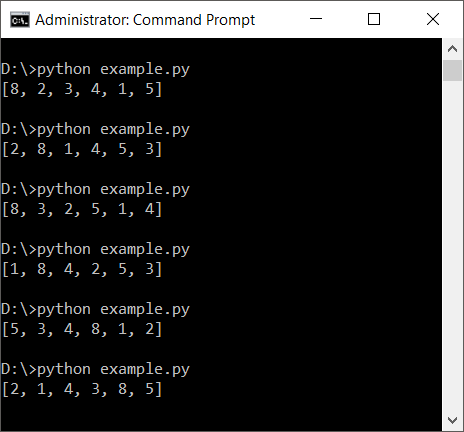
Shuffle Python List - Python Examples

python - Keras ImageDataGenerator.flow_from_dataframe keeps on loading - Stack Overflow

How to generate random numbers in Python | Code Underscored

Shuffle python array — pythonでリスト(配列)の要素をシャッフル(ランダムに並べ替え)したい場合、標準ライブラリのrandomモジュールを使う。 9
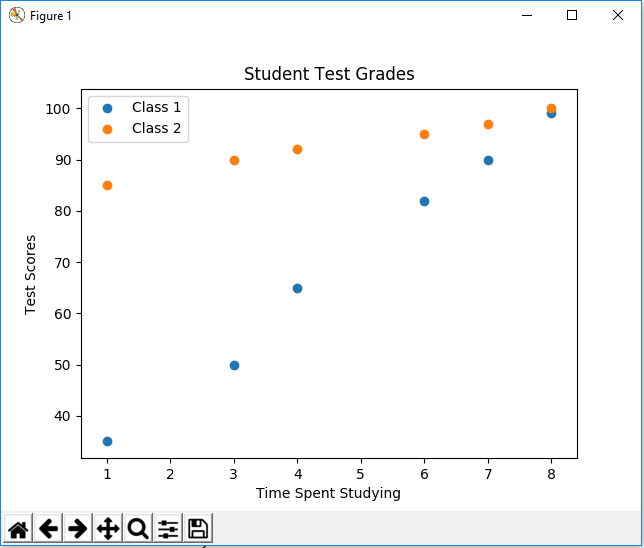
How to Create a Scatter Plot in Matplotlib with Python

How to Shuffle a List in Python? | Finxter
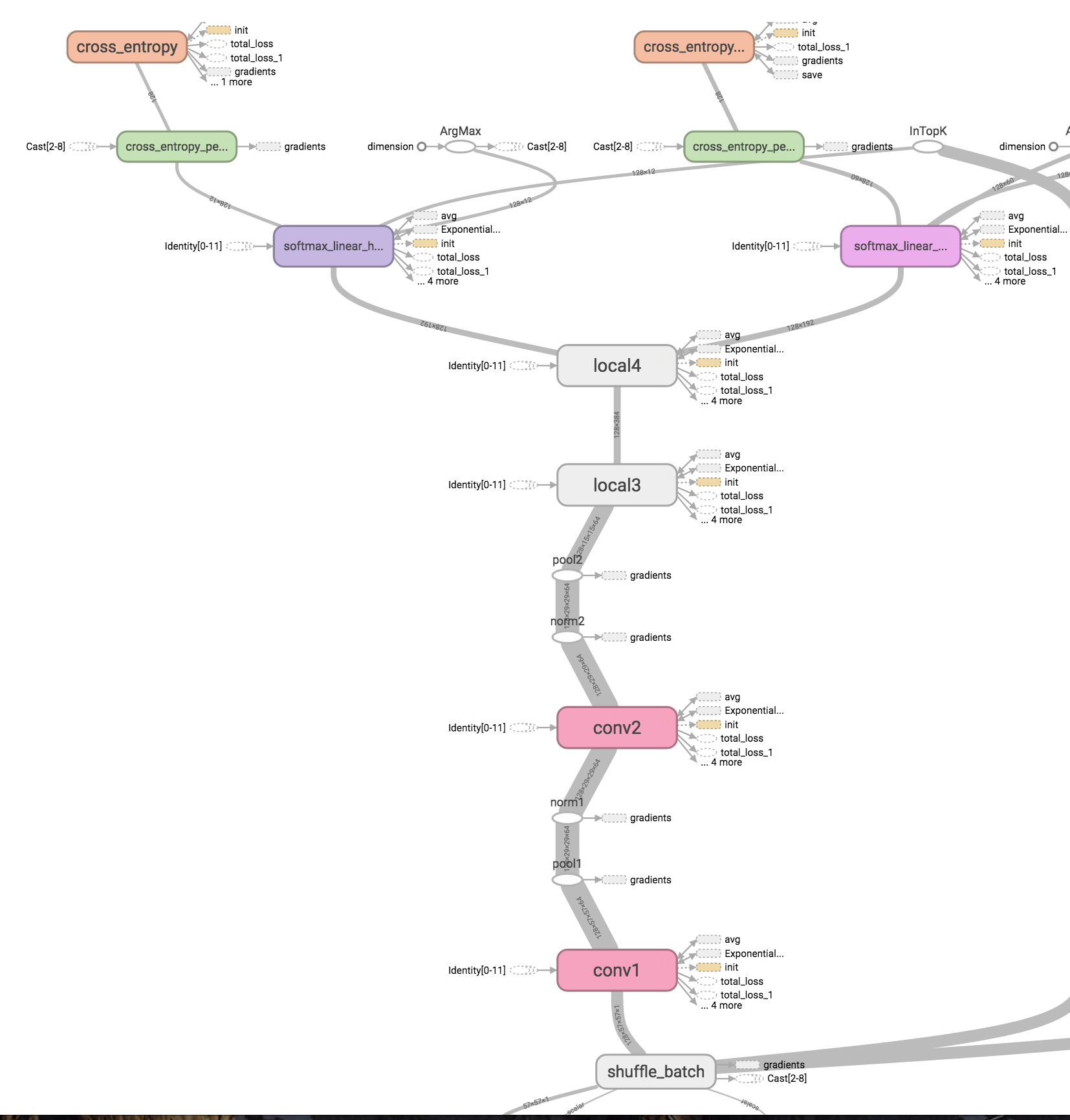
Deep time (using Tensorflow to read clocks) · Felix Duvallet

python - How do I save a figure from PyTorch using Matplotlib? - Stack Overflow

Python Shuffle List | Shuffle a Deck of Card - Python Pool

python - tfrecords: encoding images results in distorted images - Stack Overflow

Image Transforms in Image Recognition | Online Tutorials Library List | Tutoraspire.com

How to Create a Random Password Generator in Python: 11 Steps

python - Bagaimana cara mengatasi, ValueError: cannot reshape array of size 900000 into shape ...
Post a Comment for "42 shuffle data and labels python"